
 Hardwood floors remains a feature many buyers look for. Engineered wood delivers that same premium look and greater stability for our climate. If your budget is tighter, quality laminate will provide a similar finish at a fraction of the price.
Buyers notice floors right away. Dated carpet, damaged wood floors or mismatched flooring send a signal that the home requires repairs. On the other hand, new, consistent flooring can make a house look move-in ready, and that may help attract more buyers.
Can you use laminate in wet areas? Some modern laminates can be a good fit in kitchens, as long as water is cleaned up quickly. Wood may also work in a kitchen if you are careful, however in bathrooms, vinyl or tile are the safer choices.
Everything starts at the entrance. Put a heavy-duty mat outside and an absorbent mat inside every entrance. This combination catches much of the dirt and salt before it can scratch your floors. Add a waterproof tray to make sure wet boots aren’t left on your flooring.
Luxury vinyl plank and tile have quickly become a top choice in wet areas. Fully waterproof constructions guarantee that splashes cannot harm the floor when wiped up quickly. LVP stays softer under bare feet than tile, which is much appreciated on cold Canadian mornings.
Houses across Canada experience big changes in temperature and humidity throughout the year. In the cold months, heating systems pull moisture from the air; in summer, moisture levels rise sharply. For natural wood, that constant movement often leads to cracks, warping and squeaks.
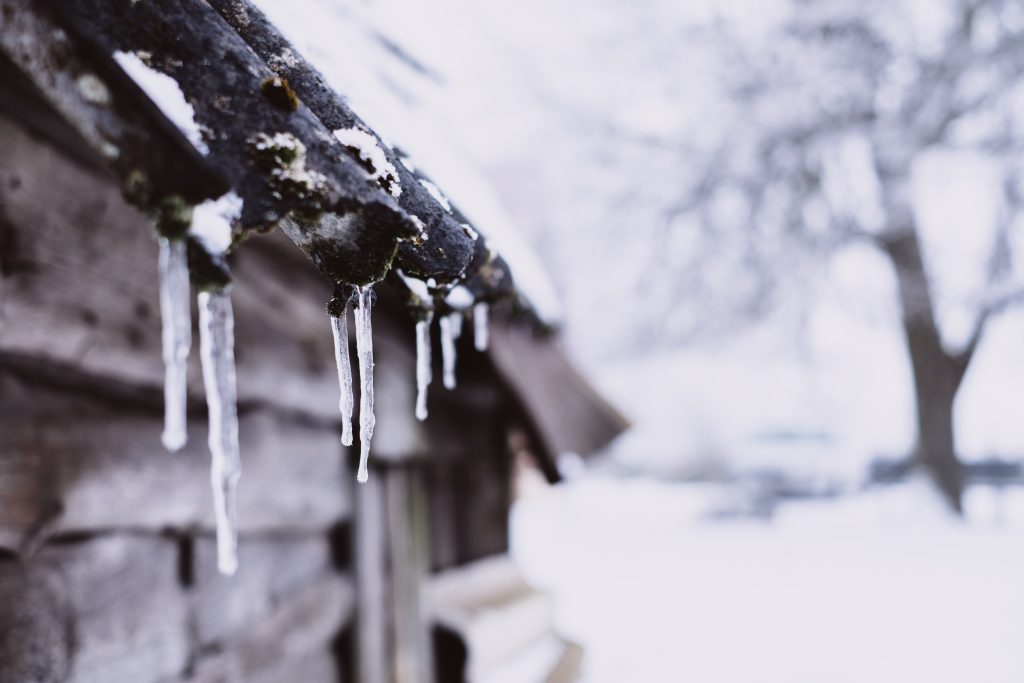
Canadian winters can be picturesque, yet it is rough on your floors. Melting snow, de-icing salt, sand and low indoor humidity will dull even the best floors over time. With the right routine, you can protect your flooring looking great through the winter.
Road salt leaves a white film that will dull the surface of your floor. Clean salt marks promptly with a slightly damp cloth and a cleaner made for your type of floor. Never use excess water on wood-based floors.
Indoor humidity is another key factor. During the heating season, the air in your home can become extremely dry, leading to hardwood to shrink and cracks to form. Using a humidifier keeping indoor humidity around 35 to 50 percent protects your floors and your comfort.
The Canadian climate plays an important role. Natural hardwood expands and contracts between seasons, which means it performs best with proper acclimatization and a stable indoor environment. Engineered hardwood offers the beauty of real wood with improved resistance to movement, making it a smart option across the country.
The first thing to do is to look at how each room is used. A mudroom requires a durable, easy-care surface, while a bedroom may focus more on warmth underfoot. Wet areas benefit from water-resistant products like LVP or tile.
Laminate has evolved significantly. High-quality laminate products use detailed photographic layers and textured surfaces that appear surprisingly realistic. The tough top layer makes it highly resistant to scratches, and it comes in lower. Many laminates now include better moisture protection.
Selecting the right floor is one of the most important decisions you will make during a remodeling project. In Canada, the selection is even more critical because our homes need to handle long winters, warm and humid summers, melting snow and de-icing salt brought in on every boot.
The outcome is simply flooring that feels exactly like real hardwood but stays more stable in Canadian conditions. Because it moves less, engineered wood can be used in rooms in which solid wood is not recommended, like lower levels and on concrete.
This is where engineered hardwood makes a difference. Instead of being made from a solid plank, engineered wood consists of several layers: a genuine wood veneer on top of a plywood or HDF core. This layered structure minimizes seasonal movement.
If you are thinking of selling in the next few years, or you are looking to make your home more comfortable, replacing old flooring is one of the smartest upgrades available. Your floors cover most of the visible space of a house, which means they have a big effect on first impressions.
Natural hardwood is the traditional favourite. It adds authentic grain that is hard to copy, and it can be refinished many times over its life. That ability allows quality hardwood can last for http://www.weather.sbm.pw/user/paulettedo/ decades. It usually boosts the value of a home in most cities.
Tile remain a proven solution. It is extremely water-resistant, long-lasting and available in countless designs, including wood-effect tiles to natural stone visuals. Select a slip-resistant finish in bathrooms, then think about in-floor heating for winter comfort.
In the end, what option is right for you? If authentic material plus refinishing potential are your priority, go with hardwood. If cost, scratch resistance and simple care top your list, quality laminate is hard to beat.